
FAQs
Frequently asked questions
-
5 Ways To Improve The Energy Efficiency In Your Home
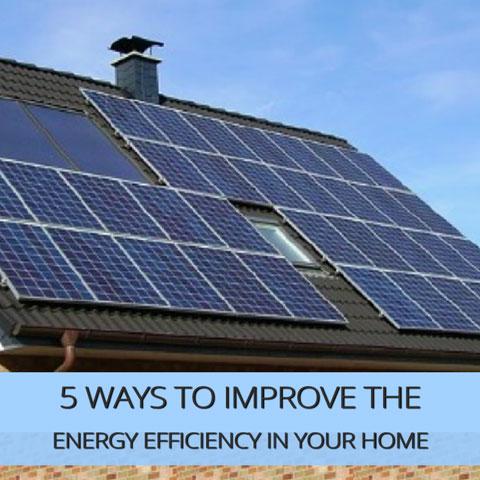 Many homeowners across the country worry about paying energy bills, especially during the winter. A survey conducted by the Home Heat Helpline confirmed that one in three adults has this concern.
 -
How To Upgrade From Halogen To LED Lighting
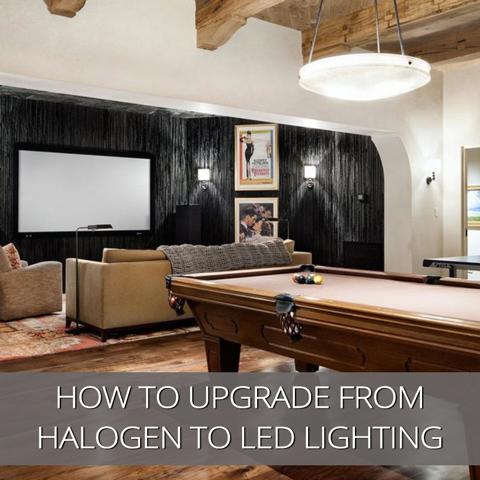 Many people decide to change their lighting, whether it be at home or in the office, at some point during their lives. LED lighting has become increasingly popular over recent times, with many choosing to change from halogen to LED.
 -
How to choose the correct colour temperature
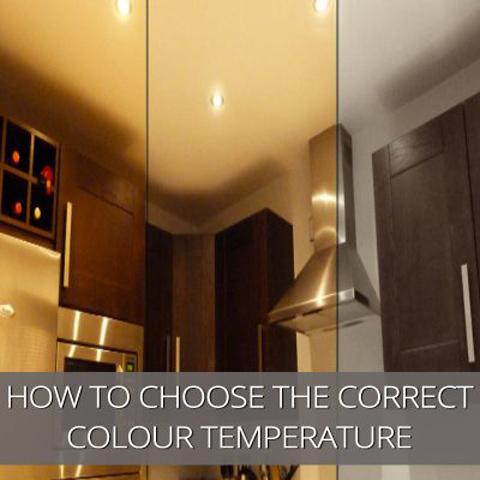 Have you ever heard anybody say "this room feels lovely and warm", or "this room feels so nice and cool"? We thought so.
 -
The Difference between Task and Ambient Lighting
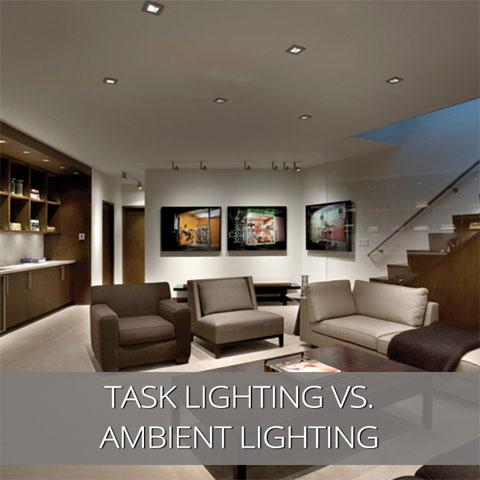 When deciding on lighting for your home, there are many factors to take into consideration. If you're choosing lights for the interior of your house, deciding where to use task lighting and where to use ambient lighting is of vital importance.
 -
How Many Downlights?
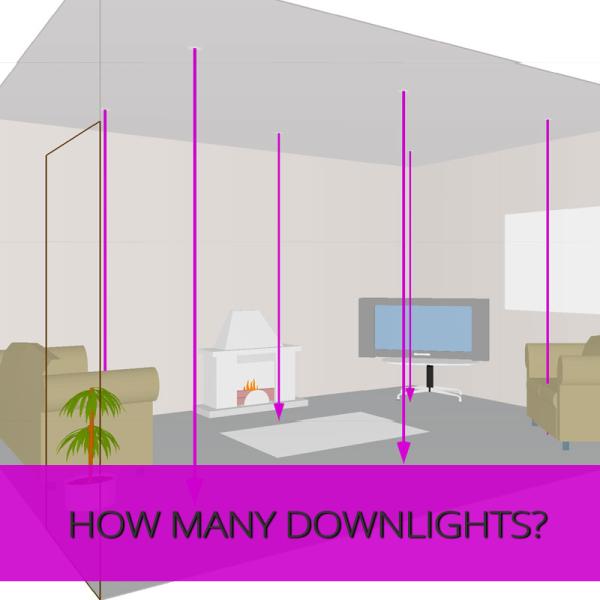 Find out how many downlights you need to install and who is that suspicious looking character sat on the bed?
 -
How Much Space Should I Leave Around A Downlight?
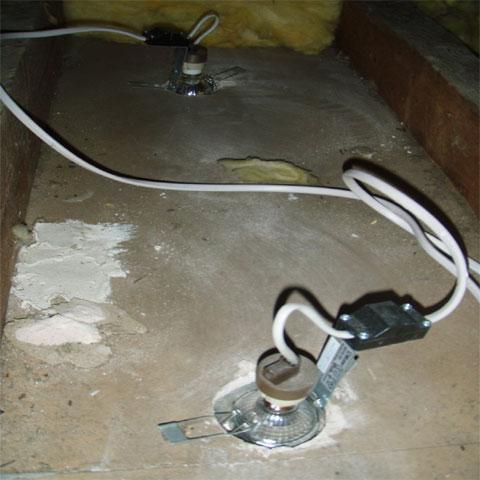 How much space should I leave around a downlight? Find out why some space is required.
 -
What Is Better Warm White or Cool White?
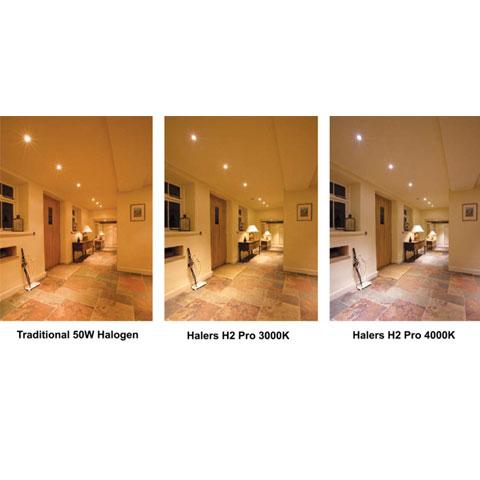 What is better warm white or cool white? Find out about the pros and cons of each type, ranging from candle light to daylight.
 -
Why Choose LED Lighting?
 LED lighting is energy efficient and provides savings of around 90% when compared to halogen.
 -
Are LEDs' Dimmable?
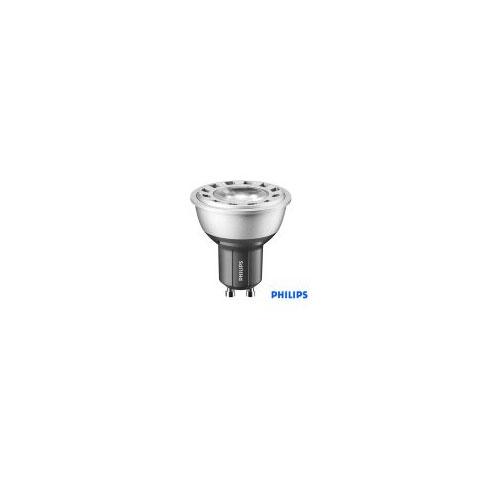 LEDs can be dimmed but not all of them are dimmable. First make sure the ones that you plan to order are suitable for dimming such as the Philips 5.5W Master GU10. Most LEDs are becoming dimmable as standard but for the time being make sure you check.
 -
Which Beam Angle? & The 4 Key Factors
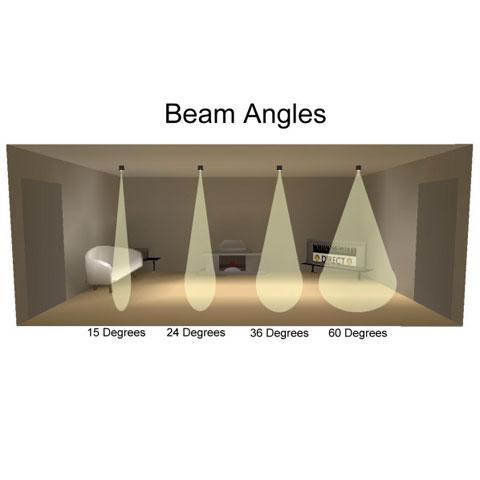 Ultimately, your main aim in choosing the right beam angle is to get the best uniformity and to install the fewest downlights as possible.