Constant Current LED Drivers
- For Powering Specialised LED Lights
- With 350mA, 700mA Outputs & More
- Wide Selection of Wattage Sizes Available
-
 Constant Current Miniature LED Drivers 4W IP66Special Price €8.81 Incl. VAT2 Variants In StockPer Each
 -
 Constant Current Dimmable LED Driver 18W 350mA€27.61 Incl. VAT0 In Stock | More Available In Usually 3-5 daysPer Each
 -
 Constant Current Dimmable LED Driver 14-20W Multi-Function Output€20.44 Incl. VAT9 In Stock | More Available In Usually 3-5 daysPer Each
 -
 Small 6W Triac Dimmable LED Drivers Constant Current 350-700mASpecial Price €10.06 Incl. VAT9 Variants In StockPer Each
 -
 Constant Current Dimmable LED Driver 18W 700mA€27.47 Incl. VAT1 In Stock | More Available In Usually 3-5 daysPer Each
 -
 Integral Constant Current Adjustable LED DriversSpecial Price €18.62 Incl. VATOver 100 Variants In StockPer Each
 -
 Collingwood Colour Change Constant Current DALI-2 Driver 75W€133.96 Incl. VATOver 100 in stockPer Each
 -
 Collingwood Colour Change Constant Current DMX Driver 75W€133.96 Incl. VAT90 In Stock | More Available In Usually 3-4 weeksPer Each
 -
 Collingwood Colour Change Constant Current RF Driver 75W€133.96 Incl. VATOver 100 in stockPer Each


Latest Products
-
 Ansell Disco Evo 1 Xpress Bezel Trims for BulkheadSpecial Price €9.14 Incl. VATOver 100 Variants In Stock
 -

-

-

-

-

-
 Ansell Flora GU10 LED Surface/Spike Light 5W€44.74 Incl. VAT0 In Stock | More Available In Usually 3-4 weeks
 -

-

-
 Ansell Degree Xpress Surface Mounted Cornice 1200mm€99.08 Incl. VAT27 In Stock | More Available In Usually 3-4 weeks
 -

-
 Ansell Multi-Current Dimmable Drivers€25.57 Incl. VAT0 In Stock | More Available In Usually 3-4 weeks

Popular Products
-
 JCC X50 Fire Rated Multi-Wattage CCT DownlightsSpecial Price €9.18 Incl. VATOver 100 Variants In Stock
 -
 Aurora R6 CCT & Wattage Switchable LED Downlights with FastRFixSpecial Price €8.32 Incl. VATOver 100 Variants In Stock
 -
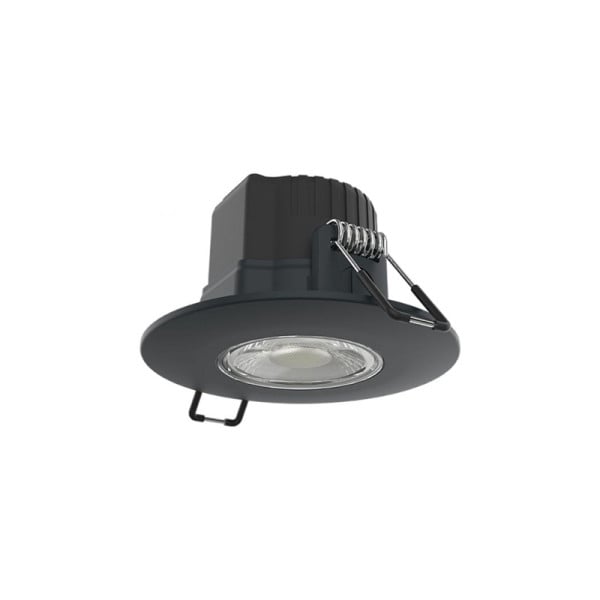 Collingwood H2 Pro Extreme CSP Outdoor LED Downlight IP65Special Price €25.51 Incl. VATOver 100 Variants In Stock
 -
 Collingwood H2 Lite CSP CCT LED Downlights 4/6WSpecial Price €11.34 Incl. VATOver 100 Variants In Stock
 -
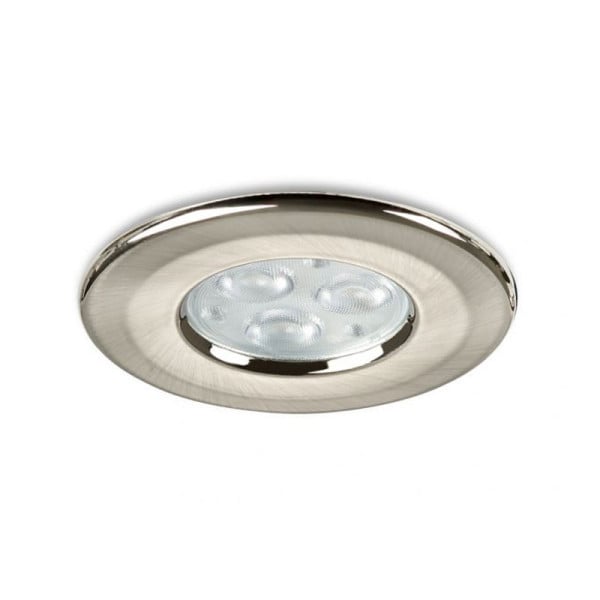 Collingwood H2 Pro 550T 5.2W Fire Rated LED Downlight IP65Special Price €27.22 Incl. VATOver 100 Variants In Stock
 -
-
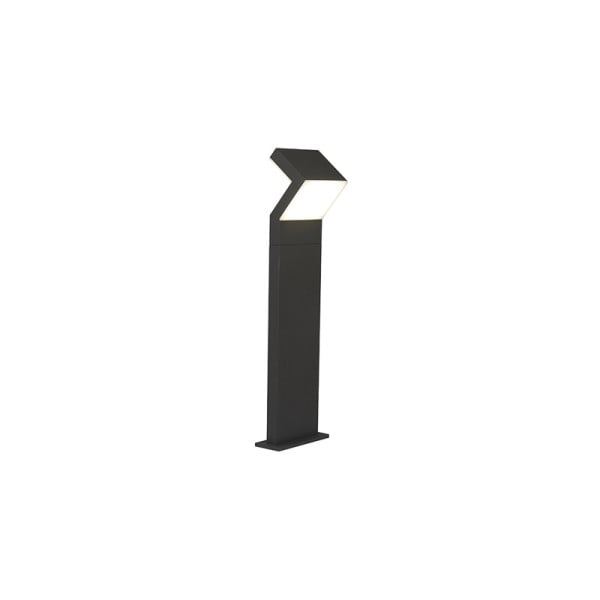 Ansell Duet 17W LED Bollard 800mm€132.30 Incl. VAT54 In Stock | More Available In Usually 3-4 weeks
 -
 JCC V50 CCT Switchable Fire Rated LED DownlightSpecial Price €11.53 Incl. VATOver 100 Variants In Stock
 -

-

-
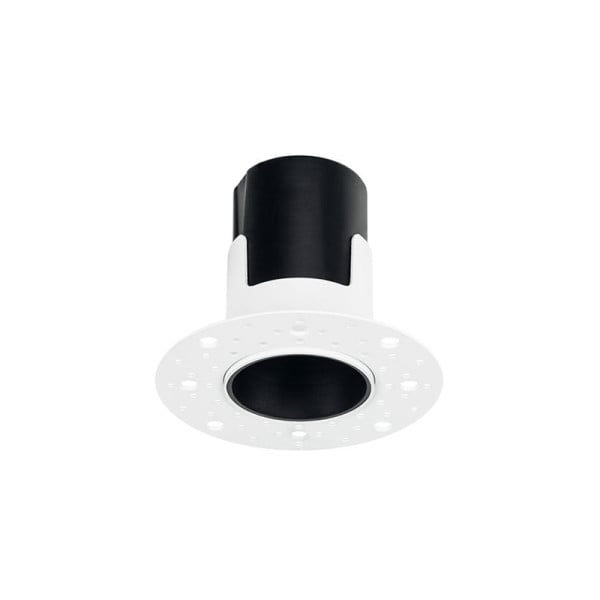 JCC Fireguard Next Generation Plaster-in Fire-Rated GU10 Downlights IP65Special Price €14.88 Incl. VATOver 100 Variants In Stock
 -
 Astro Minima Slimline Round Fixed Fire Rated IP65 Matt White GU10 Downlight€27.18 Incl. VATOver 100 in stock
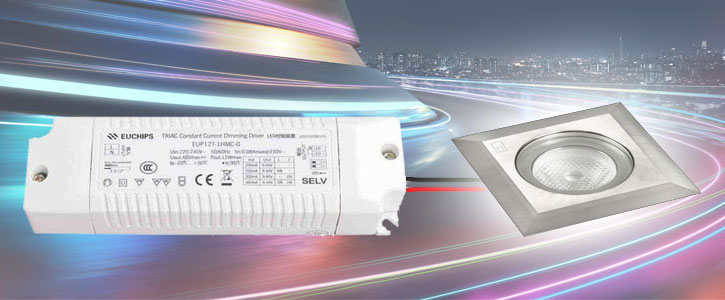
Constant current LED drivers that are available in 350mA, 700mA and various other milliamp outputs including multi-function versions. Suitable for powering more specialised LED lights such as ground lights that require a constant current input rather than constant voltage. Dimmable versions also available.
Series Wiring Example
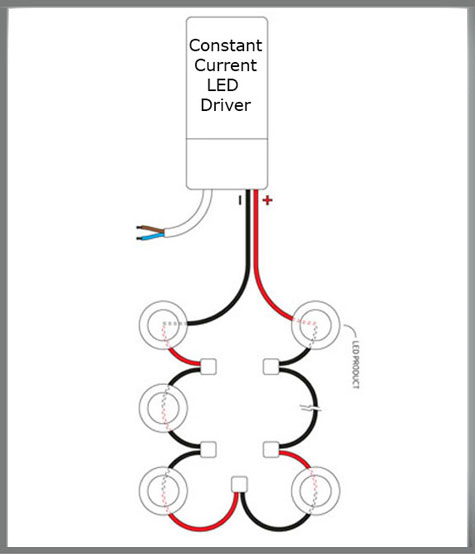
A CC driver (constant current driver) is designed to maintain a steady current for LEDs, which is essential for certain applications. Suitable for powering more specialised LED lights such as ground lights that require a constant current input; a constant current driver is required for these applications, and constant current drivers are preferred for high-power LEDs and professional lighting setups. A constant current source ensures consistent brightness and prevents damage to LEDs. Dimmable versions also available. Compared to constant voltage, constant current drivers maintain a steady current, while constant voltage drivers and constant voltage LED drivers are more suitable for LED strips and arrays with built-in current regulation. These drivers are commonly used with compatible LED fixtures to achieve optimal lighting control.
Introduction to Constant Current LED Drivers
Constant current LED drivers are a specialized type of power supply engineered to deliver a steady and reliable current to LED lighting systems. Unlike standard power supplies, these LED drivers are designed to maintain a fixed output current, which is crucial for the optimal performance and extended lifetime of LEDs. By providing constant current, these drivers help prevent fluctuations that can lead to inconsistent LED brightness or even premature failure. This makes constant current LED drivers an essential component in a wide range of lighting applications, from commercial and industrial environments to retail lighting and residential spaces. With precise control over the current, these drivers ensure that each LED operates at its intended brightness, resulting in consistent illumination and enhanced performance across your LED lighting setup. Whether you’re powering a single LED or a complex array, constant current LED drivers are key to achieving reliable, high-quality lighting.
How Constant Current LED Drivers Work
Constant current LED drivers function by regulating the amount of current flowing through the LED circuit, keeping it at a fixed value regardless of changes in input voltage or environmental conditions. These drivers use a feedback loop to continuously monitor the output current and automatically adjust the output voltage as needed to maintain the set current. This ensures that the LEDs receive the precise amount of current required for optimal operation, protecting them from overcurrent and voltage spikes. Constant current LED drivers are available in a variety of output currents, making them suitable for powering anything from a single high-power LED to multiple LEDs connected in series or parallel. Many models also support dimming, allowing for smooth adjustment of LED brightness without compromising performance. By providing stable output current and adapting to fluctuations in input voltage, constant current LED drivers help maximize the efficiency and lifespan of your LED lighting systems.
Types of LED Drivers
LED drivers come in several types, each tailored to specific lighting needs. The most common are constant current LED drivers, which are ideal for applications where precise control over LED brightness and performance is required. These drivers are especially suited for high-power LEDs, LED arrays, and fixtures where consistent brightness is critical. Constant voltage LED drivers, on the other hand, are designed for LED products that operate at a fixed voltage, such as LED strips, LED panels, and certain LED bars. These are perfect for installations where multiple LEDs are connected in parallel and require the same voltage across each unit. Dimmable LED drivers add another layer of flexibility, allowing users to adjust the brightness of their LED lights to suit different environments, such as commercial spaces or residential settings. By choosing the right type of LED driver—whether constant current, constant voltage, or dimmable—you can ensure your LED lighting system delivers the desired performance and efficiency.
Power Supply Considerations
Selecting the appropriate power supply for your constant current LED driver is crucial for the safe and efficient operation of your LED lighting system. The power supply must be capable of delivering the required output current and voltage to match the needs of your LEDs. It’s important to ensure that the input voltage of the LED driver is compatible with your available power source, whether it’s a DC voltage or an AC mains supply. Additionally, modern constant current LED drivers are equipped with essential protection features such as short circuit protection, overcurrent protection, and thermal shutdown to safeguard both the driver and the LEDs from damage. These features help maintain the reliability and longevity of your lighting installation, making sure that your LEDs operate within safe parameters at all times. Always verify that your chosen power supply and driver combination meets the specific requirements of your LED circuit and lighting application.
LED Driver Selection
Choosing the right constant current LED driver involves evaluating several factors to ensure compatibility and optimal performance. Start by considering the type of LEDs you are using, as well as the required output current and voltage for your specific lighting application. The dimming method is another important aspect—if you need to adjust LED brightness, opt for dimmable drivers; otherwise, non-dimmable drivers are suitable for fixed-output installations. Pay attention to the IP rating if your LED lighting will be used in environments exposed to moisture or dust, and consider the expected lifetime and performance standards for your project. Calculate the total wattage and total voltage drop across your LED circuit to ensure the driver can handle the load. By carefully matching the constant current LED driver to your LEDs and application requirements, you can achieve reliable, efficient, and long-lasting LED lighting, whether for commercial, industrial, or residential use.