403 Forbidden
ERR_WEB_NGX_403


Part L of the Building Regulations (energy efficiency) now states that you should lay continuous insulation over a ceiling space. Insulation functions like a jacket for a room or building and traps in the warm air. Without using insulation correctly, warm air will escape through the ceiling space. This wastes energy and costs you more on your energy bills.
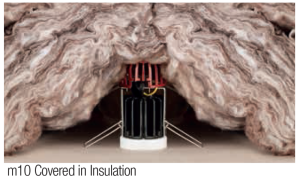
When recessed downlights are installed, holes must be cut into the ceiling to mount them in. Not only do these holes reduce the ceilings fire integrity but they allow heat to escape. Downlights can get hot, especially when using halogens and a gap should be left between them and the insulation. Before this particular section of Part L was introduced, electricians would cut around the insulation to reduce the risk of it catching fire.
Heat rises and downlights act as chimneys, drawing out the warm air from a room, especially when a cold loft space is situated above them. The problem is worsened when there is a gap in the insulation. It is estimated that it could cost five pounds per year extra for every individual downlight that is fitted into a ceiling without insulation over it.


By fixing this problem you are potentially creating a new one; you are cutting off the ventilation to the lamp (or bulb) inside the downlight. This can reduce the life expectancy of the bulb. This is a problem particularly with expensive LEDs that are supposed to last for over 20 years; you would be less willing to throw them away like a halogen. The more energy efficient you make the installation, the less the bulb might last.
Only specially designed insulation coverable downlights are suitable for laying insulation directly over them. These downlights include Aurora EFD Pro which can be covered with insulation when fitted with an LED lamp. The Aurora MPro series and the JCC FireGuard series are some other great downlighting options.